

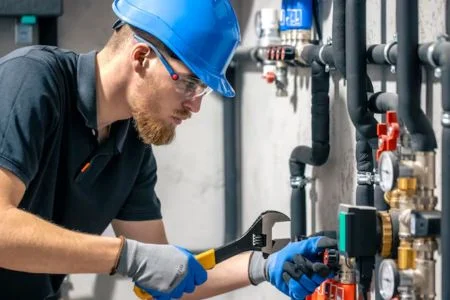
A home’s plumbing system works quietly behind walls, beneath floors, and above ceilings, delivering water to kitchens, bathrooms, and appliances. However, pipes do not last forever. Years of corrosion, mineral buildup, changing water pressure, and general wear can gradually affect their performance. When plumbing problems become frequent, replacing individual sections may no longer provide a practical solution. Complete home repiping offers an opportunity to replace aging water supply lines and improve the overall reliability of the plumbing system.
Understanding the replacement process helps homeowners prepare for the work, manage expectations, and make informed decisions about their property.
Understanding When Complete Repiping Becomes Necessary
Not every plumbing issue requires replacing an entire piping system. A single leak or damaged connection can often be repaired without extensive work. However, recurring leaks in different locations, discolored water, inconsistent pressure, and widespread pipe deterioration may indicate a larger problem.
Homeowners considering Whole House Repiping Houston services should begin with a professional plumbing assessment. An experienced plumber can evaluate the condition of existing pipes, identify vulnerable sections, and determine whether comprehensive replacement is more appropriate than continued repairs.
The age and material of the plumbing system also influence this decision. Older galvanized steel pipes, for example, may develop internal corrosion that restricts water flow and increases the likelihood of leaks.
Initial Plumbing Inspection and System Evaluation
The first stage of complete repiping involves examining the existing plumbing layout. Plumbers inspect accessible pipes, water connections, fixtures, and areas where previous leaks have occurred.
During this evaluation, they identify the main water supply connection, determine how water travels throughout the property, and assess the accessibility of existing lines.
The inspection also helps establish the project’s scope. Some homes have relatively straightforward plumbing layouts, while others contain complicated pipe networks running through multiple floors or concealed spaces.
A detailed evaluation allows plumbers to develop a replacement strategy that minimizes unnecessary disruption while addressing the property’s water supply requirements.
Selecting Suitable Materials for New Pipes
Choosing the appropriate piping material is an important part of the replacement process. Modern residential plumbing commonly uses copper or cross-linked polyethylene, known as PEX.
In domestic water systems, copper pipes are prized for their dependability and proven performance. However, installation can require more labor, particularly when working around structural obstacles.
PEX piping offers flexibility, making it easier to route through certain concealed spaces. Its flexibility can also reduce the number of fittings required in some installations.
Material selection depends on water conditions, building requirements, installation accessibility, budget, and applicable plumbing codes. A qualified plumber can explain the advantages and limitations of each option before work begins.
Preparing the Property for Pipe Replacement
Before installation starts, homeowners generally need to prepare areas where plumbers will be working. This may involve clearing cabinets, moving furniture away from walls, and protecting belongings from construction dust.
The plumbing team identifies locations where access openings may be necessary. Depending on the home’s layout, workers may need to open sections of drywall or ceilings to reach concealed water lines.
Water service must also be interrupted during certain stages of the project. Homeowners should discuss the expected shutdown periods beforehand so they can arrange essential household activities accordingly.
Proper preparation helps workers access plumbing components efficiently and reduces avoidable delays.
Removing or Bypassing Existing Plumbing Lines
Once the property is prepared, plumbers begin replacing the deteriorated supply lines. The exact approach depends on the original pipe locations and the proposed installation route.
In some situations, old pipes are physically removed. In others, inaccessible lines may be disconnected, safely abandoned, and replaced with new pipes installed along more practical routes, where permitted by applicable codes.
The installation team carefully routes new piping toward bathrooms, kitchens, laundry areas, and other water fixtures.
Connections must be properly secured and supported to prevent movement, stress, and premature deterioration. Particular attention is given to fittings, transitions between materials, and connections near appliances.
Testing the Newly Installed Plumbing System
Installing new pipes does not automatically mean the project is complete. The replacement system must undergo appropriate testing before concealed openings are closed.
Plumbers check connections for leaks and perform pressure testing according to applicable plumbing requirements. They also verify that water reaches fixtures correctly and that the system operates as intended.
Water lines may require flushing to remove installation debris before normal household use resumes. Testing is especially important because concealed leaks can damage walls, flooring, and structural materials if they remain undetected.
Restoring Walls and Completing the Final Inspection
After the new plumbing passes the necessary checks, attention shifts toward restoring affected areas. Access openings may need drywall repairs, surface finishing, and repainting.
Homeowners should clarify whether these restoration services are included in the plumbing estimate or require separate arrangements.
A final inspection may also be necessary depending on local permit requirements. The plumber should explain the completed work, provide relevant documentation, and identify any maintenance considerations.
Conclusion
Complete home repiping involves considerably more than removing old pipes and installing replacements. It requires careful inspection, material selection, installation planning, testing, and property restoration. Although the process can temporarily disrupt household routines, proper coordination helps make the project manageable. By understanding each stage and working with qualified plumbing professionals, homeowners can make informed decisions that support dependable water delivery and reduce the risk of recurring plumbing problems.
