

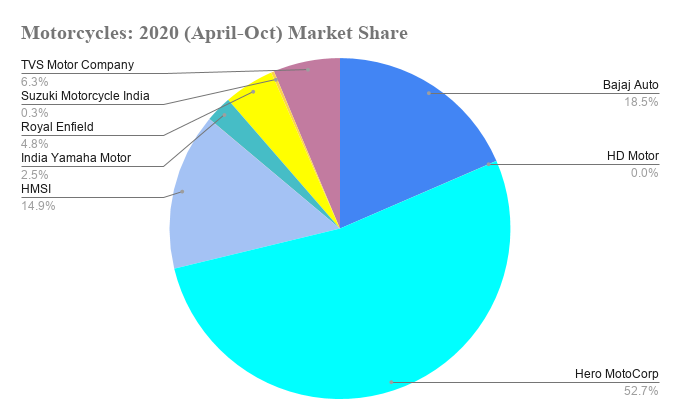
Investors closely follow the performance of Bajaj Auto, one of India’s most prominent automobile manufacturers. Whether you are a retail investor or an institutional trader, monitoring the bajaj auto share price provides valuable insight into the company’s financial health, industry trends, and broader economic movements.
As a major player in the two-wheeler and three-wheeler segment, Bajaj Auto has built a strong domestic and international presence. The bajaj auto share price often reflects not only company fundamentals but also investor sentiment toward the Indian auto sector as a whole.
Company Overview and Business Strength

Founded in 1945, Bajaj Auto has grown into a global exporter of motorcycles and three-wheelers. The company operates across multiple markets in Asia, Africa, and Latin America.
Core Business Segments
| Segment | Description | Revenue Contribution Impact |
|---|---|---|
| Motorcycles | Commuter & premium bikes | Major revenue driver |
| Three-Wheelers | Passenger & cargo | Strong export growth |
| Electric Vehicles | Chetak EV | Emerging segment |
| Exports | Global markets | Diversifies revenue |
The diversified business structure plays a key role in influencing bajaj auto share price over time.
Current Market Snapshot
Although real-time prices fluctuate daily, investors evaluate broader financial indicators along with the bajaj auto share price.
Key Market Indicators
| Metric | Significance |
|---|---|
| Market Capitalization | Company valuation size |
| P/E Ratio | Valuation vs earnings |
| Dividend Yield | Income return potential |
| EPS | Profit per share |
| 52-Week High/Low | Price range volatility |
These indicators help investors determine whether the bajaj auto share price appears fairly valued compared to industry peers.
Historical Performance and Growth Trends
Over the past decade, Bajaj Auto has delivered significant returns to long-term shareholders.
Performance Overview
| Time Frame | General Trend |
|---|---|
| 1 Year | Moderate volatility |
| 3 Years | Strong upward movement |
| 5 Years | Significant capital appreciation |
| 10 Years | Consistent long-term growth |
The historical trajectory of bajaj auto share price highlights resilience through economic cycles, including periods of slowdown and recovery.
Key Factors Influencing Share Movement
The movement of bajaj auto share price is driven by multiple variables:
1. Domestic Sales Performance
High demand in rural and urban markets supports revenue growth.
2. Export Growth
International sales often cushion domestic slowdowns.
3. Commodity Prices
Fluctuations in steel and raw materials impact margins.
4. Government Policies
Regulations regarding emissions and EV adoption influence outlook.
5. Economic Conditions
Interest rates and inflation directly affect automobile demand.
Understanding these elements provides clarity on short-term and long-term price shifts.
Financial Strength and Profitability Indicators

Investors evaluate quarterly and annual reports to assess company stability.
Important Financial Ratios
| Ratio | What It Indicates |
|---|---|
| Revenue Growth | Expansion capability |
| Net Profit Margin | Operational efficiency |
| Return on Equity (ROE) | Shareholder value creation |
| Debt-to-Equity | Financial risk level |
Strong financial metrics typically support upward momentum in bajaj auto share price.
Dividend History and Shareholder Returns
Bajaj Auto is known for consistent dividend payouts.
Shareholder Benefits:
-
Regular dividends
-
Capital appreciation
-
Bonus shares (historically)
-
Buyback opportunities
The dividend yield makes bajaj auto share price attractive to income-focused investors as well as growth seekers.
Electric Vehicle Expansion and Future Prospects

The company’s entry into electric mobility through the Chetak EV strengthens long-term potential.
Growth Drivers in EV Segment:
-
Increasing consumer preference
-
Government subsidies
-
Charging infrastructure growth
-
Urban demand for sustainable transport
If EV sales expand significantly, it could positively influence the bajaj auto share price over the coming years.
Risk Factors to Consider
While Bajaj Auto has strong fundamentals, investors must evaluate potential risks:
-
Slowdown in rural demand
-
Global economic instability
-
Currency fluctuations affecting exports
-
Intense industry competition
Market volatility can cause temporary corrections in bajaj auto share price.
Technical Analysis Overview
Short-term traders analyze charts to determine entry and exit points.
Common Technical Indicators:
-
50-day & 200-day moving averages
-
RSI (Relative Strength Index)
-
Support and resistance levels
-
Volume breakout patterns
These technical signals often influence short-term fluctuations in bajaj auto share price.
Comparison with Industry Peers
Investors often compare Bajaj Auto with other major auto manufacturers.
| Parameter | Bajaj Auto | Peer Comparison |
|---|---|---|
| Market Cap | Large-cap | Similar range |
| EV Presence | Growing | Competitive |
| Dividend Yield | Strong | Competitive |
| Export Focus | High | Varies |
This comparative analysis helps determine the relative strength of bajaj auto share price within the sector.
Long-Term Investment Perspective
For long-term investors, consistency in revenue, margin stability, and global expansion matter more than daily price swings.
Why Long-Term Investors Track This Stock:
- Strong brand recognition
- Global export footprint
- Stable financial health
- Consistent dividend payout
- Expansion into EV market
These factors contribute to long-term confidence in bajaj auto share price.
How to Track the Stock Effectively
To stay updated:
-
Monitor quarterly earnings reports
-
Track industry sales data
-
Follow auto sector news
-
Use brokerage apps for alerts
-
Analyze annual financial statements
Regular tracking helps investors make informed decisions about bajaj auto share price.
Frequently Asked Questions (FAQs)
1. What determines bajaj auto share price movement?
It depends on company earnings, industry growth, exports, economic conditions, and investor sentiment.
2. Is Bajaj Auto a dividend-paying company?
Yes, it has a strong history of paying dividends to shareholders.
3. Does electric vehicle expansion affect bajaj auto share price?
Yes, growth in EV sales can positively impact long-term valuation.
4. Is Bajaj Auto suitable for long-term investment?
Many investors consider it suitable due to strong fundamentals, but individual risk appetite should be evaluated.
5. How often does the share price change?
It changes continuously during market trading hours based on demand and supply.
Conclusion: Evaluating Stability and Growth Potential
The movement of bajaj auto share price reflects a combination of company performance, sector dynamics, and macroeconomic factors. As one of India’s most respected automobile manufacturers, Bajaj Auto continues to demonstrate resilience through changing industry conditions.
For investors, understanding financial metrics, industry trends, and strategic expansion plans is essential. While short-term volatility may occur, the long-term outlook depends on sustained revenue growth, export strength, and EV market penetration.
Careful research, diversified portfolio strategy, and consistent monitoring can help investors navigate fluctuations in bajaj auto share price while capitalizing on potential growth opportunities in India’s dynamic automobile sector.
Read More:- Comprehensive Analysis of a Leading EV-Focused Auto Stock on India’s Premier Exchange