


Investors looking at India’s expanding electric mobility and auto components space frequently monitor JBM Auto. One of the most searched investment terms related to the company is jbm auto share price, as it reflects market sentiment, company performance, and broader sector dynamics.
Tracking the jbm auto share price is not just about daily fluctuations. It involves understanding company fundamentals, EV expansion strategy, order book strength, financial ratios, and industry trends. This detailed article explores everything an investor should know before making a decision.
Company Background and Business Structure

JBM Auto is part of the diversified JBM Group and operates in automotive components, tooling, engineering services, and electric vehicles.
Major Business Divisions
| Division | Description | Strategic Importance |
|---|---|---|
| Auto Components | Sheet metal & assemblies for OEMs | Core revenue base |
| Electric Buses | EV bus manufacturing | High growth potential |
| Tooling | Precision tools & dies | Operational support |
| Engineering Services | Design & automation solutions | Technology advantage |
The diversification supports long-term stability, which ultimately influences jbm auto share price in both bullish and bearish markets.
Understanding Market Valuation and Stock Metrics
When evaluating the share price of jbm auto, investors consider various valuation metrics beyond the headline number.
Key Market Indicators
| Indicator | Meaning |
|---|---|
| Market Capitalization | Total company value |
| Price-to-Earnings (P/E) | Valuation vs profits |
| Earnings Per Share (EPS) | Profit per outstanding share |
| 52-Week High/Low | Annual volatility range |
| Trading Volume | Liquidity and activity level |
These metrics help determine whether the jbm auto share price is aligned with the company’s growth trajectory.
Historical Performance and Price Trends
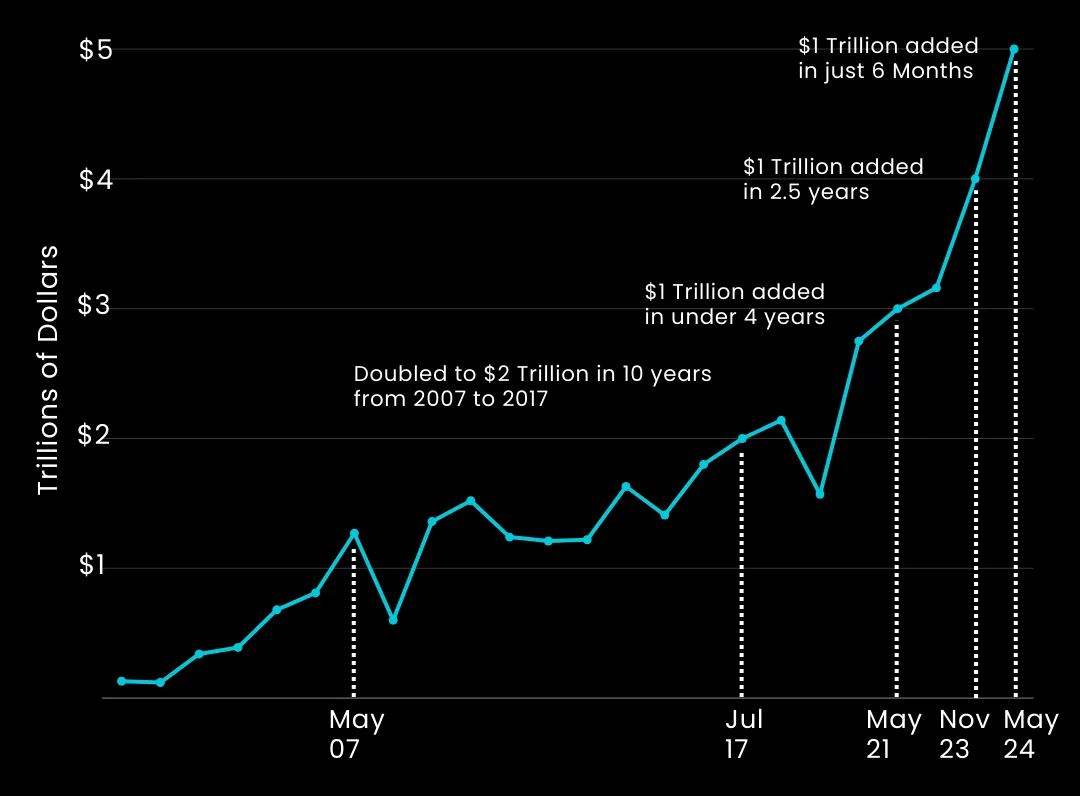
The stock has witnessed phases of rapid appreciation, especially during increased focus on electric vehicles in India.
General Historical Pattern
| Time Frame | Price Movement Trend |
|---|---|
| Short-Term | Moderate to high volatility |
| Medium-Term | Influenced by EV contracts |
| Long-Term | Growth aligned with sector expansion |
Long-term investors closely observe revenue growth and order inflows to assess the sustainability of JBM Auto’s share price.
Key Drivers Behind Stock Movement
Multiple factors affect the fluctuation of jbm auto share price:
1. Electric Vehicle Expansion
Government policies promoting EV buses and clean transport have strengthened investor interest.
2. Order Book Announcements
Large municipal or state transport orders can significantly move the stock.
3. Raw Material Costs
Steel and aluminum prices affect operating margins.
4. Earnings Reports
Quarterly financial performance often triggers immediate price reactions.
5. Market Sentiment
Broader market corrections can temporarily impact even fundamentally strong stocks.
Understanding these drivers helps investors anticipate movement in the share price of jbm auto.
Financial Performance Analysis
Financial stability is one of the strongest determinants of long-term stock value.
Important Financial Ratios
| Financial Metric | Significance |
|---|---|
| Revenue Growth | Indicates expansion capability |
| Net Profit Margin | Measures efficiency |
| Return on Equity (ROE) | Shareholder profitability |
| Debt-to-Equity Ratio | Financial risk assessment |
Strong fundamentals often support upward momentum in jbm auto share price over time.
Electric Mobility Segment: A Major Growth Catalyst
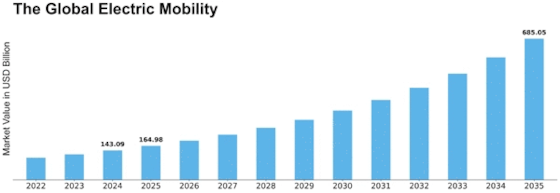
The company’s increasing focus on electric buses has created a distinct identity in the Indian EV market.
Advantages of EV Focus
-
Rising government electrification targets
-
Reduced dependence on fossil fuels
-
Strong urban transport demand
-
Export opportunities
If EV infrastructure continues to expand, it could provide long-term growth visibility, positively impacting jbm auto share price.
Risk Factors Investors Must Evaluate
While growth prospects are promising, risks remain:
-
Policy changes affecting subsidies
-
Execution delays in large projects
-
High capital expenditure requirements
-
Competition in EV bus manufacturing
-
Global commodity price volatility
These risks can cause temporary corrections in jbm auto share price.
Technical Analysis Perspective
Short-term traders rely heavily on price charts.
Common Technical Indicators Used
-
50-day moving average
-
200-day moving average
-
Relative Strength Index (RSI)
-
Support and resistance levels
-
Volume breakout patterns
Technical patterns often guide entry and exit decisions in trading strategies for JBM Auto’s share price.
Comparison with Industry Peers
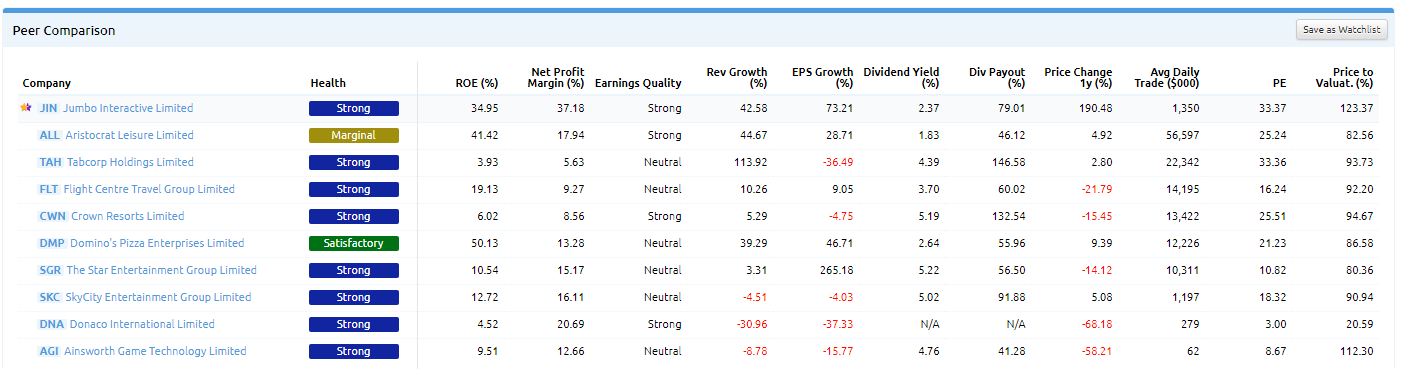
Investors compare JBM Auto with other auto component and EV-focused companies.
| Parameter | JBM Auto | Traditional Component Firms |
|---|---|---|
| EV Exposure | High | Limited |
| Growth Potential | High | Moderate |
| Volatility | Medium to High | Moderate |
| Risk Level | Higher | Balanced |
This comparison highlights the growth-oriented nature of jbm auto share price.
Long-Term Investment Considerations
For long-term investors, patience and fundamental strength matter more than short-term volatility.
Why Investors Consider This Stock
✔ Expanding EV presence
✔ Growing order pipeline
✔ Diversified business operations
✔ Increasing focus on sustainable mobility
These factors contribute to continued interest in jbm auto share price among growth-focused investors.
Short-Term Trading Considerations
Traders should monitor:
-
Daily price movements
-
Volume changes
-
Earnings announcements
-
Sector news
-
Government policy updates
Disciplined risk management is essential when trading jbm auto share price.
How to Monitor Stock Performance Effectively

Investors can track:
-
Quarterly financial results
-
Company investor presentations
-
Industry EV sales reports
-
Broader auto sector growth trends
-
Brokerage research updates
Regular monitoring ensures informed decisions related to jbm auto share price.
Frequently Asked Questions (FAQs)
1. What does jbm auto share price represent?
It refers to the current market value of JBM Auto shares traded on stock exchanges.
2. Why is the share price of JBM Auto considered volatile?
Because it operates in a high-growth EV segment, the stock reacts strongly to policy changes and order announcements.
3. Is JBM Auto primarily an EV company?
While it started as an auto component manufacturer, its EV bus segment has become a significant growth driver.
4. Does government policy affect the stock?
Yes, incentives and electrification policies significantly influence business prospects.
5. Is this stock suitable for long-term investors?
It may suit investors comfortable with growth-oriented, moderately volatile stocks.
Conclusion: Evaluating Growth, Risk, and Market Opportunity
The movement of jbm auto share price reflects the company’s transition from a traditional component manufacturer to a forward-looking electric mobility player. Investors should assess fundamentals, industry growth, competitive positioning, and macroeconomic factors before making decisions.
With India accelerating toward sustainable transportation, JBM Auto remains positioned in a potentially high-growth segment. However, volatility and execution risks require careful portfolio allocation and disciplined investment strategy.
Read More:- Comprehensive Market Analysis of a Leading Indian Two-Wheeler Giant
